 | Sociology 1010 *Write about something you have learned in this class that you see often in society, yet have never really realized it before. Rebellious conformity- An interesting phenomenon occurs in different groups of our society. People enjoy being like other people. Interestingly, some groups stress individuality to a degree that it can sometimes cause social unrest. Ironically, within these groups that stress individuality, they often conform to one another to a stronger degree than would an average person. Take for example biker gangs. Often times these gangs express that the “man” holds them down and they need to avoid being a conformist! Yet, when all of the members of the gang assemble, well, see the picture above to see the end result. |

| HLAC 1043 -- Yoga I Write a paragraph on each of the following: 1. What did you learn about “lifelong wellness” from taking this General Education class? The best thing about fitness classes is that even if you don’t learn everything the class has to offer you still learn something. In this yoga class I learned how much easier working out is when you breath! The most significant thing is that breathing is not simply sucking air in and out of your body, it is all encompassing. When you take a breath into your lungs, you must fill your lungs to capacity, almost until you feel the air hit the top you your stomach. When you exhale, you must release all of the utilized air out of your body to make space for fresh oxygen to then reenter it. 2. How would you apply this information to your life? I have already carried breathing into everyday activities such as when I am walking long distances, climbing stairs, or carrying heavy items. The knowledge of how to breath and how to utilize the oxygen I am taking into my body properly is priceless. More than that I now know that if I am breathing properly my workouts will be more effective! This is amazing to me as I already have a lot of strength, I hope to be able to see how much further I can push myself with well oxygenated muscles. 3. What is your intention to continue to practice what you have learned in your life and why?’ I intentionally took yoga because I have been practicing on my own for years and wanted a new view on the practice. I was also hoping to be able to better progress in flows so that I am getting the most out of the workout. That is exactly what I have achieved, and as I continue to practice yoga, I will be able to incorporate my newly learned moves, and posture into my flows. I am very happy to have learned new tricks and modifications. I am also glad to have gotten a new and entertaining perspective on meditation in which I have began to do more. 4. General ideas for improving this course? I love this class, it is challenging but motivating! I wish there was more meditation time before the active parts, I like to get into a mental mindset before practicing. I would also have liked to see even more energy work, I love how invigorating energy work is! |


| Human Development 1100 The article I chose to review is entitled, “Disruptive Behavior Disorders in children and Adolescents: How Do Girls Differ from Boys?” The article discusses the impact that disruptive behaviors can have on children and how that impacts them throughout life. Disruptive behaviors can impact not only the children themselves, but those around them as well. The primary predicting factor of CD in girls is fighting because of the lack of impulse control. Despite this the major difference between the symptoms of boys and girls, boys with CD are far more disruptive than girls with the same disease, thereby the boys are often more noticeable than the girls and are diagnosed with greater ease. With this considered and the fact that girls often have multiple disorders dominating them at one time, it can be hard to comb out what symptoms are related to any particular disorder. These issues can often bloom into promiscuity, eating disorders, self image issues, etc. Most research done on oppositional defiant disorder (ODD) and conduct disorder (CD) has been done with males. This is despite the fact that ODD occurs as often in males as in females. Even though CD is more common to find in males, it is the second most common diagnosis in the female population. Furthermore, there is a correlation between a history of CD in children and a diagnosis of antisocial personality disorder in adults. Some research has shown a direct correlation to parenting styles and expectations. Often times the aggression displayed by the child was not considered problematic by the parent. Further, physical punishment was often used more with boys than with girls. When diagnosing disruptive behavior disorders, it is often the parent that is relied on for information for younger children, and the child themselves once they are about 10 years old. Often girls are far better at reporting their own behaviors, but children are not very reliable in assessing how their behavior impacts those around them. The two diagnosing strategies are utilizing a rating scale, and behavioral observation often including an unbiased checklist. Because symptoms of this disorder can often be overlooked, having standardized evaluation methods are becoming increasingly utilized. Some risk factors include: low SES, parents that abuse controlled substances, depression, insecure attachments in infancy, temperament, and intellect. Substance abuse impacted boys more significantly and depression impacts girls more significantly. bibliography: Kann, R. Traci, and Fred J. Hanna. "Disruptive Behavior Disorders in Children and Adolescents: How Do Girls Differ from Boys?" Ed. Earl J. Ginter. Journal of Counseling & Development Summer 2000 78.3 (2000): 267-74. Print. |
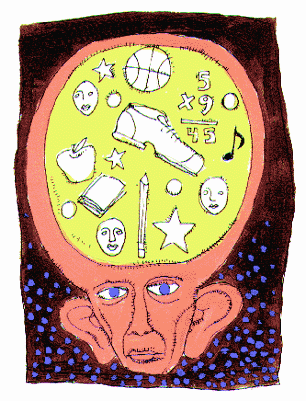
| Psychology 1010 Learning is a vital aspect to human development. It is the way that we learn to socialize, react to situations, and perform functions. Every human being learns in one manner or another, though, there are a variety of ways in which different aspects are learned. Within this paper, you will find the many different learning theories and how they apply to daily lives. Classical conditioning shows how our minds connect one thing to another. It occurs when a neutral stimulus is paired with a meaningful event until it produces a response1. A major concept involved in classical conditioning is association. Association occurs when you connect one stimulus to a different, often unrelated, event or subject. This often leads to habituation, which is adapting to the surrounding environment. Interestingly, habituation isn’t permanent, if a habituated person were to leave that environment for a period of time and then return, they would be increasingly aware of the multitude of stimuli around them. Upon discovery and defining what classical conditioning is, Ivan Pavlov did ground breaking research involving salivating dogs. He discovered that if he presented the dog with an unconditioned stimulus that initiated a response, such as food, the dog would salivate. He then began to introduce a conditioned stimulus, such as the ringing of a bell, alongside the unconditioned stimulus. This, incidentally, would cause the dog to salivate. It was at this point that Pavlov could further prove association; he would introduce the conditioned stimulus without an unconditioned stimulus present, and would still generate the reaction of salivation from the dog. We experience classical condition in our everyday lives. An example of this is when one connects a food born illness from the pot roast they had for dinner hours earlier. Because they contracted an illness they will then associate pot roast with illness. Another example is when one hears a familiar commercial jingle, and then suddenly craves a cheeseburger from McDonald’s. Association is a healthy means of adaptation to one’s environment; it allows them to instantly recognize a stimulus that benefits or potentially harms them. Observational learning is one of the easiest learning theories to spot in the “real world”. Simply put, observational learning is learning without direct experience1. This is quite prevalent in children, they are prime to learn new behaviors by watching others. Imagine that you were to enroll your child in Pre-school, your child has spent the first 3-4 years of their life at home with only the influence of their family. After a few days or weeks your child’s behavior starts to change, perhaps they start biting or kicking, maybe they begin yelling at you when they don’t get their way. These are examples of behavioral observational learning. Not all observational learning has negative connotations however. This learning style can be invaluable when learning a new skill that provides little room for error, such as conducting surgery or developing skills in a dangerous trade such as electrical work. Observational learning provides the means to be up and close to the procedure that one is trying to learn, but far enough from it to avoid causing harm. Finally, implicit learning is the last of the theories we shall discuss. Implicit learning is the acquisition of knowledge in an incidental manner, without complete verbalized knowledge of what is learned2. Implicit learning is a mildly abstract idea, as it is based around unspoken rules and intuition. To understand implicit learning one can think about actions they do in everyday life. How is it that a toddler can speak sentences well enough for an average person to understand? In a social group, how are the members able to know what to say and how to act? Why is it that some music appeals to someone, how are they able to differentiate the subtle aspects of the music? The answer to all of these questions is the utilization of implicit learning. As an infant is subjected to language day after day that information begins to imbed into their memory. Within social groups, body language, voice tone, and other physical cues hint to the members what is and isn’t acceptable in that group. Music appreciation and acclimation is another fine example of implicit learning. When one listens to a certain genre of music, they will become more acclimated to that type of music, thereby establishing a preference for it. Further, listening to music often enables one to become more aware of the delicate and different sounds made by individual instruments, again building a in-depth liking of certain tones and pitches. In a person’s development, more than one learning style will be used, often simultaneously. It is also apparent that each learning style is extremely important in an individuals development. Also, it builds societal similarities. As a group is exposed to similar stimuli, they will be able to adapt to it in a similar manner. Learning is a vital component to functional life, as it allows so much diversity to impact an individual and has an amazing impact on how life functions on a daily basis. 1. Schacter, Daniel L., Daniel T. Gilbert, and Daniel M. Wegner. "Chapter 6." Introducing Psychology. Vol. 1. New York: Worth, 2011. 161-95. Print. 2. Tillman, Barbara, Jamshed Bharucha, and Emmanuel Bigand. "Implicit Learning of Regularities in Western." Dartmouth College, Hanover; Université De Bourgogne, Dijon. Web. 21 July 2010. <http://olfac.univ-lyon1.fr/unite/equipe-02/tillmann/download/NCPW6.pdf |
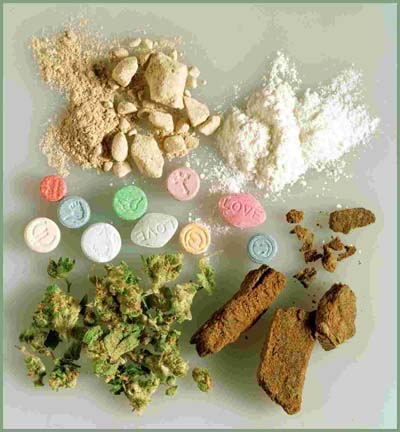
Reflective writing Writing the article was an interesting task to take on. I wasn’t fully sure how I stood on the issue of legalizing drugs in America. I decided the most pragmatic way to go about making my decision was to look at the numbers. As I did research on drug arrests it became painfully obvious that there are too many frivolous arrests related to drugs, I thought to myself, no wonder our jails are filled to the brim. Reflecting on people I know who have tried drugs, and the impact they have had on their lives the picture unfolded for me. I only know of one person who became addicted to drugs, and that person only lived a “druggy” lifestyle for a short period before they cleaned up. So, from my perspective, the hundreds of thousands of people incarcerated for having a bag of marijuana seems to promote more harm than the rare situation of addiction.
| Personal Ethics 1130 Life is the fundamental intrinsic right that most people strive to retain. It’s the driving force for almost every aspect within a human being. The preservation of life is the struggle that most people encounter within our society. A multitude of laws and regulations are derived from the desire to preserve life, amongst those are laws regulating or prohibiting drugs. This determination is so momentous that the individual experience is often sacrificed in trying to develop the most effective means of preservation. The conflict that presents itself in this goal is: determining where the line exists between keeping people safe from harm, and allowing personal choice and liberty. Within this paper I will show that a person’s right to liberty ought to be respected and choices should be left to the individual, so long as those decisions are not placing other people in harms way. The simplest way to promote social prosperity and productivity is to establish a functional and healthy group of people. This includes providing means of shelter, food, clothing, and a safe environment. However, when a person, or more significantly groups of people, make choices or actions that may put themselves in harms way, what is the role of the government in regards to personal safety? If a mad man were to enter a public institution and put a gun to his head, what action should the government take then? It seems obvious to say that it would be the duty and the role of the police to step in and prevent the incident from escalating. What, then, would the duty of that same entity be if a person were to do the same thing in the privacy of their own home? There would be no impact on the general population at that point. Is it still the duty of the government to step in and interfere with a person’s personal and private actions? If the police do nothing, what would stop others from participating in a similar act? There in-lies the conundrum with personal actions, it rarely effects the individual in themselves. However, it should be considered: ought the government meddle in personal activities when those activities indirectly influence the condition and actions of others? An argument can be made that sometimes people need to be protected from themselves. The theory of utilitarianism, which promotes the greatest good for the greatest number of people, would suggest that because drugs potentially have a negative impact on both the individual and the greater society, thereby, it would be immoral to utilize them. An anti-drug utilitarian would argue that since the potential happiness of drug use is so minimal, in regards to the length of time one may experience euphoria, compared to the longer lasting potential negative effects regarding crime and personal endangerment, such as addiction, the greater happiness would lay with not utilizing the drug. Some of the most obvious negative effects of drug use are drug abuse and the correlating crime. This can ensue not only when the product is being sought, but also occurs as a result of manufacturing and distributing the illegal substances. In 2007 there were an estimated 1,645,500 drug abuse related arrests in the United States1. This trend extends further, when we examine 2009, 49,339 kg of cocaine, 642 kg of heroin, 666,120 kg of marijuana, 1,703 kg of methamphetamine, and 2,954,251 hallucinogen dosage units were seized2. This shows the significant impact that drugs are truly having on our society. In five years between 2003 and 2007 there were 192 methlab incidents and 1115 drug related arrests in Utah alone3. With the multitude of drugs and crimes circulating within our society, it is important to understand that drugs have a much further reaching impact than just that of the intoxicated person. In 1997, 22.4% of the federal prison inmates and 32.6% of state prison inmates were reportedly under the influence of drugs at the time of their arrest. Alarmingly, when you break that number down to the general types of crimes committed, the rate stays comparable. For example, in that same year 29.4% of federal and 26.8% of state prison inmates arrested for murder, 27.8% federal and 39.9% state prison inmates arrested for robbery, and 7.9% federal and 21.5% state prison inmates arrested for sexual assault were under the influence of illegal drugs4. This provides a lot of evidence supporting the position that drugs, in-fact, do not promote the greatest happiness for the greatest amount of people. It also purports the importance for the laws that have been established to protect people from the harm that they may create not only for themselves, but also for the harm that drug abusers may create for others. Another theory used in objection to drug use is dry cut and simple, that is legal moralism. Legal moralism says the law can legitimately be used to prohibit behavior that conflicts with society’s collective moral judgment even when those behaviors don’t result in physical or psychological harm5. This means that something is moral because it is legal, not legal because it is moral. So, within this theory, because drugs are illegal, they are immoral. The DEA uses legal moralism to support and propel the efforts that they are making to prevent drug use. This is evident by the first fact they cite in relation to drug prevention, that is, “We have made significant progress in fighting drug use and drug trafficking in America. Now is not the time to abandon our efforts”6. The DEA takes a strong stand against drug use. They state seven reasons that drugs should be illegal, these include: addiction, social costs, crime, loss of productivity, Europe’s laws are not a good model for American laws, rehabilitation of non-violent users, and harm5. They claim that there are many alternative means of accessing legal drugs that don’t pose impending harm to society. They also argue that if we reduce demand for drugs we would in turn reduce the supply of them, in which, we would solve the problem of drug cartels and smuggling. Importantly, the DEA makes a blatant differentiation between drug use as prescribed by a doctor for medical purposes versus drug abuse, that is drug use with no medically intended use. Knowing this difference helps establish the basis for which they argue the seven points against drug use. Within drug abuse, the user is far more likely to become addicted to the substances they are partaking. This equates into the social costs involved with drug abuse including a lower level of morality. This often results in higher levels of crime, which is driven because of supply and demand, and a more slothful culture, as a result of the effects of drugs on the individual person. It also leads into the issue of the moral and financial costs of rehab and detox for the drug abuser. Finally, showing that because of the harm drugs pose, it is obvious that our society doesn’t adapt to the casual use of narcotics the same way that other European countries do. On the converse, there is a strong argument that the individual should be left to make their own moral decisions regarding drug use. One theory that supports the freedom of drug use is rights theory, that is the theory that people have basic rights, included in that is the notion that the individual should have the right to self medicate and have a personal choice in what they put into their body. As the philosopher Thomas Szasz, who is a professor of psychiatry emeritus at the State University of New York Health, would say, “life, liberty, and the pursuit of highs!”6 Szasz presents an interesting argument relating to drug legalization, drugs are just as dangerous as masturbation, guns, and dynamite5. It is not the drug that causes the dangerous situation, it is the person in possession of the drug and the actions they take that allow the dangerous situation to occur. Furthermore, Szasz argues the highlights the concept of whether it is better to ban illicit substances in regards to the potentiality of abuse, or honor the liberties of an individual and allow them to make their own decisions. John Stuart Mills, who is one of the most influential British philosophers, claims that individual choice is far more important than society’s choice in whether the use of drugs is moral or not, so long as it doesn’t result in harm5. A valid point to be made is that most people don’t desire to abuse drugs. More people than not would be self regulating in their drug use, and if they felt that they may be on the brink of drug abuse, they would stop using the drug to regain their self control. Further, and more importantly, is the challenge of deciding who ought to make the very personal decision of whether or not to use drugs. Is it the government’s job to tell you what you can or cannot put into your body? Or would it be more reasonable to claim it is the job of the government to suggest what is better and worse to put into your body? Where is the line in the sand that determines when the government should and should not be able to tell you how to treat your own body? It is not a far leap between prohibiting the intake of a substance into your body in the belief that it is in the best interest of society and forcing sterilization (such as China does) of a woman to prevent more offspring, again, in the belief that it is in the best interest of society. Existentialism provides powerful reasoning on the topic of drugs and the harm that may be present because of them. The theory of existentialism is a theory revolved around giving one’s own life meaning and purpose by making the decisions necessary to support one’s ideals. This means that responsibility for one’s actions would lie directly on their own shoulders. If they intend to achieve the ideals that society has available to them, they are thereby responsible to maintain the actions and composure necessary to achieve those ideals. If they were to abuse a drug, the consequences in their life in relation to the drug abuse is solely their own. This is extremely important in showing that since most people don’t innately desire to cause harm to themselves or others, they would be more likely to avoid anything that would result in harm. Another idea to consider is that centralizing drug use in a familiar environment reduces the occurrence of overdose for drug users7. If the drugs and the use of drugs were acceptable they would be less likely to be abused to the extent of death. The fact that it would be acceptable within society would result in there being no need to create harm in an attempt to avoid the consequences of breaking the current drug laws. Further, there would no longer be a market for the drug cartels, thereby, the exploitation of people and laws to attempt to “push” their product would no longer be an issue or a financial drain for the government. Finally, utilitarianism is also used in support of legalizing drug use. The ability for each individual to legally utilize drugs, and to choose how the drug is to be used and obtained is a significant means of propelling happiness. By moving the drug industry out of the black market, and into the prominent trade markets, there would be a decrease in the rate of crime because those who choose to use the illicit drug would be able to purchase it in a manner that didn’t involve the corruption and violence as it currently does. Proportionately, of all the drug arrests in 2007, a total of 775,137 were for marijuana possession alone8. That equates to 47% of all drug arrests being for possession of marijuana, when considering that number, it brings to light the misconception that all drug arrests are related to violent crimes. Because it would be legal, the likelihood of the drug being safe is much higher. There would likely be more regulation in production of the product, as a result the manufacturer would be less likely to “cut” the product to “stretch” it. The significance of harm created by it’s suppliers would be reduced because there would be mainstream producers curbing shady practices, such as “hot shots”, drugs laced with dangerous additives. Another revolution that would increase functionality would be the establishment of social clubs and safe houses that would provide a centralized and safer7 environment for a user to get high. Consequently, the government would save an exponential amount of money, and perhaps even begin to make money, just in the savings of the costs involved in the pursuit of the “war on drugs”. The tax revenues collected would be similar to that of tobacco and alcohol. Being that most people don’t want to inflict nor be subjected to crime and violence, legalization provides an avenue for the greatest good (awareness and liberty) to the greatest number of people. Considering this notion that most people don’t desire to suffer the consequences of harm, it would make sense to reason that the average person would likely be responsible in their own actions, knowing that that responsibility rests on their shoulders. They would also quickly realize that there is more to life than just using drugs. Also, it becomes increasingly apparent that the DEA’s stand, maintaining the illegality of drugs, is largely based on the concept of legal moralism. This view proves to suffer “tunnel vision”, closing off options based on propaganda and skewed principal is in no way the ultimate good for society. This, in fact, may place more people in harms way by perpetuating the drug smuggling black market. It also ignores the basic principle of the individual’s right to liberty. The idea that there is a “need” to protect people from themselves also proves to be faulty, reasoning that most people have the best intentions to provide a safe and enriching life for themselves. 1. “Bureau of Justice Statistics - Table on Estimated Arrests for Drug Abuse Violations by Age Group.” Bureau of Justice Statistics (BJS). Web. 25 July 2010. http://bjs.ojp.usdoj.gov/content/glance/tables/drugtab.cfm 2. “DEA, Stats & Facts.” Welcome to the United States Department of Justice. Web. 25 July 2010. http://www.justice.gov/dea/statistics.html#arrests 3. “DEA Briefs & Background, Drugs and Drug Abuse, State Factsheets, Utah.” Welcome to the United States Department of Justice. Web. 25 July 2010. http://www.justice.gov/dea/pubs/state_factsheets/utah.html 4. “Drug-Related Crime - Fact sheet - Drug Facts.” Office of National Drug Control Policy. Web. 25 July 2010. http://www.whitehousedrugpolicy.gov/publications/factsht/crime/index.html 5. Class notes, 1 July 2010 6. White, James E. “Drugs and Addiction.” Contemporary Moral Problems. 9th ed. Australia: Thomas Wadsworth, 2009. 289-298. Print 7. Schacter, Daniel L., Daniel T. Gilbert, and Daniel M. Wegner. "Chapter 6 -- Learning." Introducing Psychology. New York: Worth, 2011. 166. Print. 8. "Persons Arrested - Crime in the United States 2007." FBI — Federal Bureau of Investigation Homepage. Web. 31 July 2010. http://www.fbi.gov/ucr/cius2007/arrests/index.html |

